About
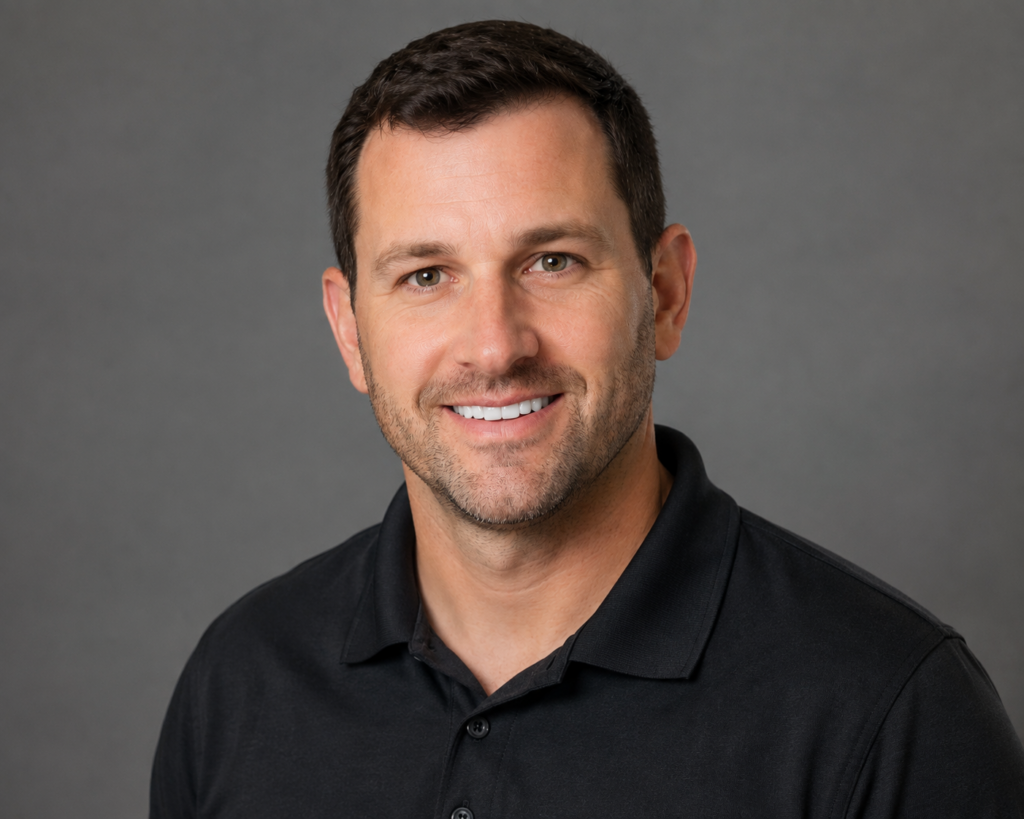
Daniel A Ruhl is a Tulsa-area physical therapist and clinical instructor specializing in orthopedic rehabilitation, sports rehabilitation, post-surgical recovery, functional movement, and patient education. His approach to physical therapy centers on understanding the individual goals of each patient and developing a rehabilitation plan designed around measurable progress and long-term mobility.
Born and raised in the Tulsa area, Ruhl developed an early interest in sports and human movement. A shoulder injury during high school introduced him personally to physical therapy and showed him how rehabilitation could help restore not only physical function but also confidence and independence.
Ruhl earned a Bachelor of Science in Health and Exercise Science from the University of Oklahoma before completing his Doctor of Physical Therapy at the University of Oklahoma Health Sciences Center. His clinical education included orthopedic and sports rehabilitation, neurological rehabilitation, acute care, post-surgical rehabilitation, outpatient physical therapy, and balance and vestibular therapy.
After earning his doctorate, Ruhl returned to the Tulsa area and began working in outpatient orthopedic rehabilitation. His professional experience includes treating shoulder and knee injuries, ACL reconstruction, rotator cuff recovery, hip replacement rehabilitation, back and neck pain, balance disorders, workplace injuries, chronic pain, and sports-related conditions. His continuing education has expanded into areas including manual therapy, functional movement screening, vestibular rehabilitation, running gait analysis, post-concussion rehabilitation, and strength and conditioning principles.
Education is also an important part of Ruhl’s professional work. As a clinical instructor for Doctor of Physical Therapy students, he mentors developing therapists in clinical reasoning, patient communication, documentation, ethical decision-making, evidence-based treatment planning, and professional development.
Ruhl believes patients should understand the reasoning behind their rehabilitation rather than simply follow a list of exercises. His treatment philosophy emphasizes clear communication, realistic expectations, coordinated care, and empowering patients to participate actively in their recovery.